


Do you need to prime before painting? It’s one of the first questions worth asking before you start. If you are painting over paint the short answer is; you do not need to prime. Paint will typically bond to paint.
When deciding whether to use a primer before painting, it’s important to consider the type of surface you’re working with. If the surface is raw, the need for primer will depend on the paint being used. Some paints already contain a priming component, eliminating the need for a separate primer.

For example, if you’re painting a new house with raw drywall, it is recommended to use a primer. This is because primer is much easier to sand smooth which is a necessary step after the 1st coat. On the other hand, if you’re painting raw exterior wood trim, using a premium paint that already includes a built-in primer will be more than sufficient. So, do you need to prime before painting? It all depends on the specific circumstances and materials involved.
Priming has two main functions:
Bonding or Sealing
When it comes to painting, the use of the right primer is crucial. It serves two main purposes – to create a strong bond between the paint and the surface, and/or to prevent any bleeding from underneath that could affect the final result.
Bonding
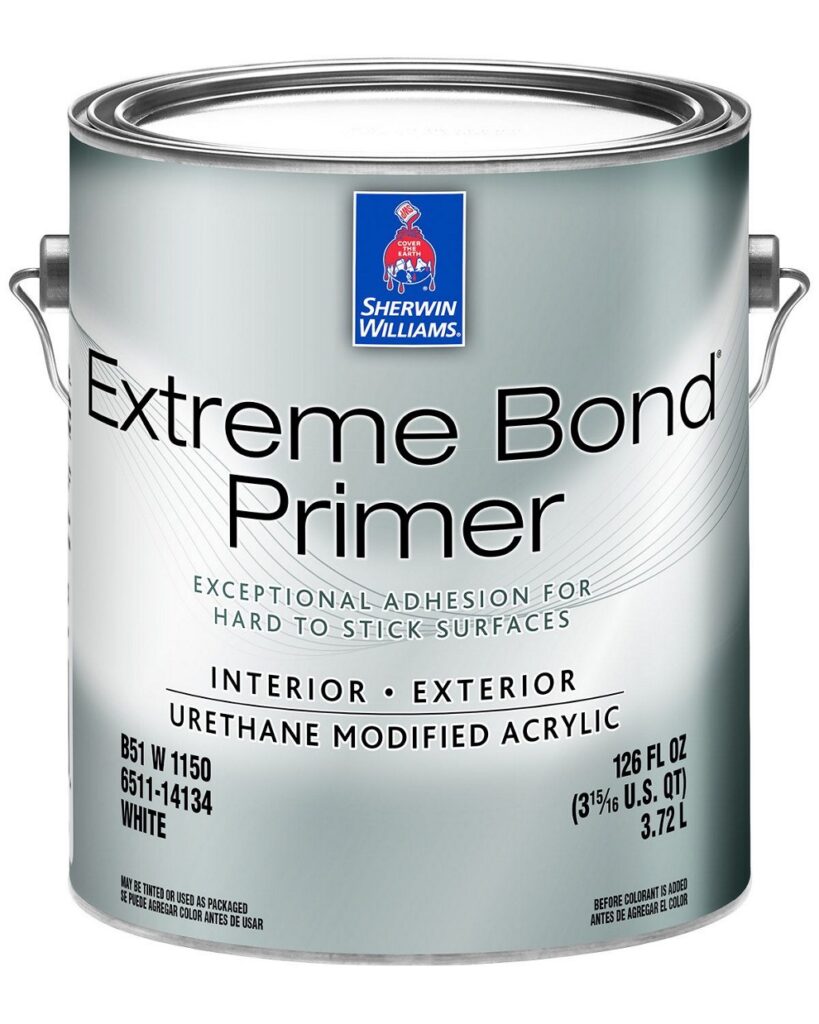
When it comes to painting, bonding primers act as the adhesive that ensures your paint sticks securely to the surface. However, there is no universal solution for priming. It’s crucial to select a primer that meets the specific requirements of the surface you plan to paint. Fortunately, there are excellent options available like the “Sherwin-Williams Extreme Bond Primer” that provides strong adhesion to various surfaces, even exceptionally smooth ones.
Sealing

When it comes to sealing surfaces, the choice of primer will depend entirely on what needs to be sealed. There are a variety of different primers available for specific substances, such as water stains, glue (wallpaper), smoke/nicotine stains, and oily surfaces. To address these specific conditions, you can choose from a variety of primers like latex-based, oil-based, and shellac-based primers among others.
If you’re unsure, it’s always advisable to use primer before painting. It’s important to note that all paint stores can customize the color of your primer, so you can choose any hue you desire. This also means that using primer as one of your coats may eliminate the need for additional layers. So, if you’re wondering whether you need to prime before painting, using primer is a wise choice.
Frequently Asked Questions
When should I definitely use primer even over existing paint?
Primer is worth using when you’re making a major color change, especially dark to light, when the surface is bare drywall or wood, or when there’s staining or glossy paint that needs better adhesion.
Does skipping primer save time and money?
It can in the short term, but it risks poor coverage or paint that doesn’t bond well, which often means more coats or an earlier repaint, costing more in the long run.
Can primer and paint be combined in one product?
Paint-and-primer-in-one products exist and work fine for minor refreshes over similar colors, but they’re not a substitute for real primer on bare surfaces or major color changes.
How long should primer dry before painting over it?
Most primers need at least one hour to dry to the touch, but check the product label, since dry times vary and painting too soon can affect adhesion.
Does the type of paint sheen affect whether I need primer?
Higher sheens like semi-gloss show surface imperfections more than flat paint, so primer becomes more important when switching to a glossier finish over an uneven or previously painted surface.
Priming isn’t always required, but it matters more in certain situations. Behr’s guide to when primer is necessary covers the surfaces and conditions where priming makes the biggest difference.