


Selecting the right paint colors for classrooms is about more than aesthetics — it shapes how students engage and learn. The selection of paint colors in educational settings is far more than a purely aesthetic decision; it has a profound impact on the learning environment, student engagement, and overall well-being within schools. Choosing the right paint colors for educational spaces involves a thoughtful consideration of various factors, including the psychological effects of color, the functionality of different areas, and the creation of a cohesive and inspiring atmosphere. This guide aims to provide insights and strategies for selecting paint colors that contribute to a vibrant, conducive, and enriching learning environment within schools.
Understanding the Psychology of Color
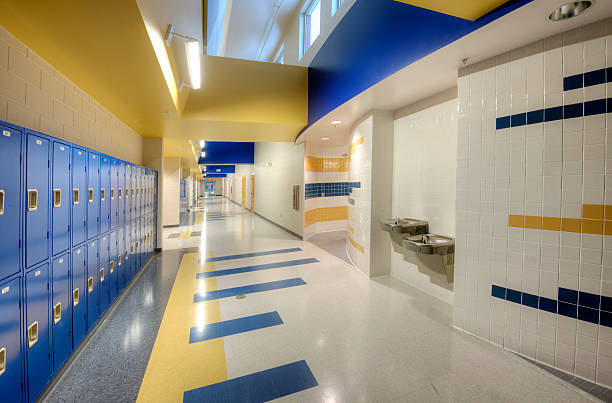
Color psychology is a crucial aspect of selecting paint colors for school painting project. Different colors can evoke specific emotional and psychological responses, influencing students’ moods, focus, and behavior. For instance, warm colors like red and yellow can promote energy and creativity, making them suitable for areas where active engagement and collaboration are encouraged. On the other hand, cool colors such as blue and green can instill a sense of calm and concentration, making them ideal for study areas or spaces where a tranquil ambiance is desired. Understanding the psychological impact of colors is essential in creating an environment that supports learning and well-being.
Tailoring Colors to Functionality
The diverse functions of educational spaces call for a strategic approach to color selection. Classroom walls, for example, can benefit from a balance of stimulating and calming colors to accommodate both active learning and focused study. Common areas, such as cafeterias and assembly halls, may benefit from vibrant and inviting colors that encourage social interaction and positive energy. Additionally, incorporating accent walls or color-coded zones can aid in wayfinding and spatial organization, contributing to a more intuitive and organized environment.
Cohesive Color Schemes and School Identity
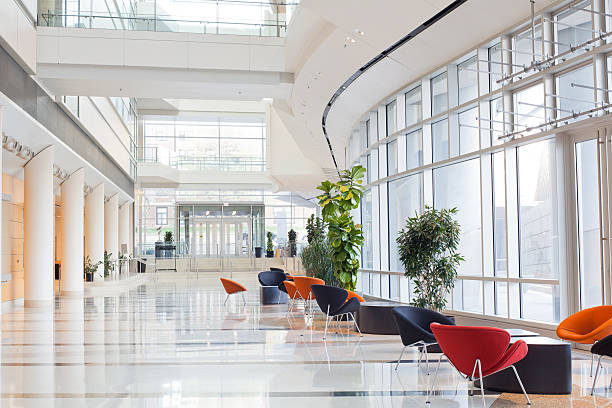
Establishing a cohesive color scheme that aligns with the school’s identity and values can foster a sense of unity and pride within the educational community. Integrating school colors into the design palette not only reinforces the institution’s brand but also instills a sense of belonging and ownership among students and staff. Moreover, complementing the existing architectural elements and interior finishes with harmonious paint colors can create a visually integrated and aesthetically pleasing environment that reflects a unified design vision.
Considerations for Specialized Spaces
Specialized educational spaces, such as art studios, science labs, and performance areas, often have unique color requirements based on their intended functions. For instance, art studios may benefit from neutral and balanced colors that allow artwork to stand out, while science labs might benefit from subdued, non-distracting colors that promote focus and concentration. Understanding the specific needs of these spaces and tailoring color choices accordingly can optimize their functionality and support the activities conducted within them.
Conclusion

In conclusion, the selection of paint colors for educational spaces is a multifaceted endeavor that goes beyond mere decoration. It involves a nuanced understanding of color psychology, functionality, and the unique identity of the school. By strategically choosing paint colors that align with the psychological needs of students, the intended functionality of each space, and the overarching design vision, schools can create environments that inspire learning, foster creativity, and promote a sense of belonging. The art of selecting paint colors in educational spaces is a powerful tool in shaping the holistic experience of students and educators, contributing to a colorful and enriching journey of learning and growth within the school environment.
Frequently Asked Questions
How much do paint colors really affect student behavior?
Color has a measurable effect on mood and focus. Calming tones like soft blues and greens can help reduce overstimulation, while warmer accent colors in the right places can boost energy and engagement.
Should every classroom in a school be the same color?
Not necessarily. Many schools use a consistent base palette for cohesion while varying accent colors by age group or subject area to suit different learning needs.
Are there durability requirements specific to schools?
Yes. Classrooms and hallways see heavy daily wear, so washable, scuff-resistant finishes matter as much as color choice, especially in high-traffic corridors and shared spaces.
How do you choose paint colors for classrooms during a renovation?
We start by talking through the age group, room function, and lighting conditions, then recommend a palette that balances the school’s goals with practical durability.
Color choice in learning environments can influence mood and focus. Research summarized by the American Psychological Association on color and behavior offers useful context for planning school color schemes.